Welcome to Hitachi Energy Training Portal
Empowering professionals with the knowledge and tools to lead the energy transformation.
Health, Safety and Environment
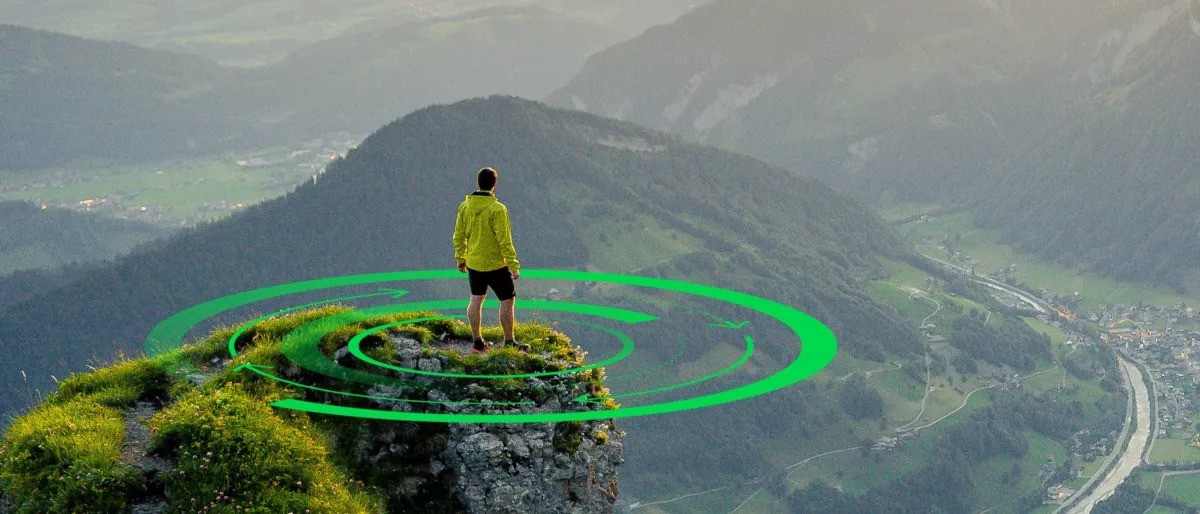
We actively manage the health, safety, and environment (HSE) aspects of all our activities. Our performance in these areas is integral to our Sustainability 2030 plan and to delivering our purpose of advancing a sustainable energy future for all. We see these as vital to our ‘license to operate’ and to making us attractive as an employer as well as a business with which others – customers, suppliers, and partners – wish to work.
HSE factors always come first in the decisions we make. We seek to minimize the risk of harm and are determined to eradicate fatalities, life-changing injuries, and major environmental incidents. Our Life Saving Rules are our flagship safety program to protecting all those who work with us on the tasks which have the highest potential risk.
Positive health and well-being work environments.
Safe working conditions as well as continual improvement.
Environmental protection to minimize our impact.
Learnings from successes and failures
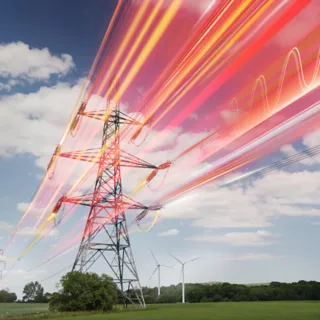
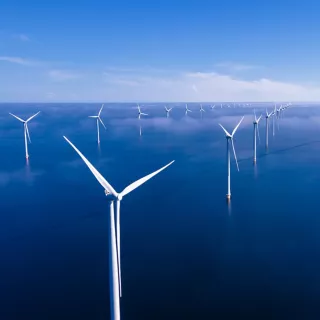
Why Hitachi Energy?
- Being a leading manufacturer, we have a vast experience in installing and commissioning projects across the globe
- One of the largest and well-trained field service crews in the industry, all work (by Hitachi Energy Service engineers) and OEM parts is warranted
- Services range from technical assistance to full turnkey execution
- Multiple transportation options including skid-mount and fully containerized modular and factory-tested solutions.
- Using our extensive experience we can offer you a packaged solution, taking care of anything from logistics to testing, so that you can focus on your operations
Our growth in numbers
Hitachi Energy is a global technology leader in electrification, powering a sustainable energy future with innovative power grid technologies with digital at the core. Over three billion people depend on our technologies to power their daily lives.
With over a century in pioneering mission-critical technologies like high-voltage, transformers, automation, and power electronics, we are addressing the most urgent energy challenge of our time – balancing soaring electricity demand, while decarbonizing the power system.
Countries
Employees
Business volumes
Customers worldwide.
Benefit from better energy excellence
Faster and easier access
Increase productivity with easier and faster access to our portfolio of integrated and scala-ble services.
Better leverage insights
Continuously leverage and utilize our expertise in technology, sustainability, and resilience to realize your energy system of the future.
Superior lifecycle performance
Designed with maximum flexibility to deliver a customized program to exceed your energy system requirements and support you in achieving superior performance across your product lifecycle.
Realize the energy system of the future
EnCompass Agreements can help foster new sustainable partnerships through accelerating collaboration and co-creation by seeking new and better ways of thinking and fostering a holistic, ecosystem mindset across your stakeholders/business.
Testimonials
Hear from the people who power our progress — real stories from our team members about purpose, innovation, and growth at Hitachi Energy.
I am proud to be Power Grids because we deliver consistent results and increased value to our shareholders.
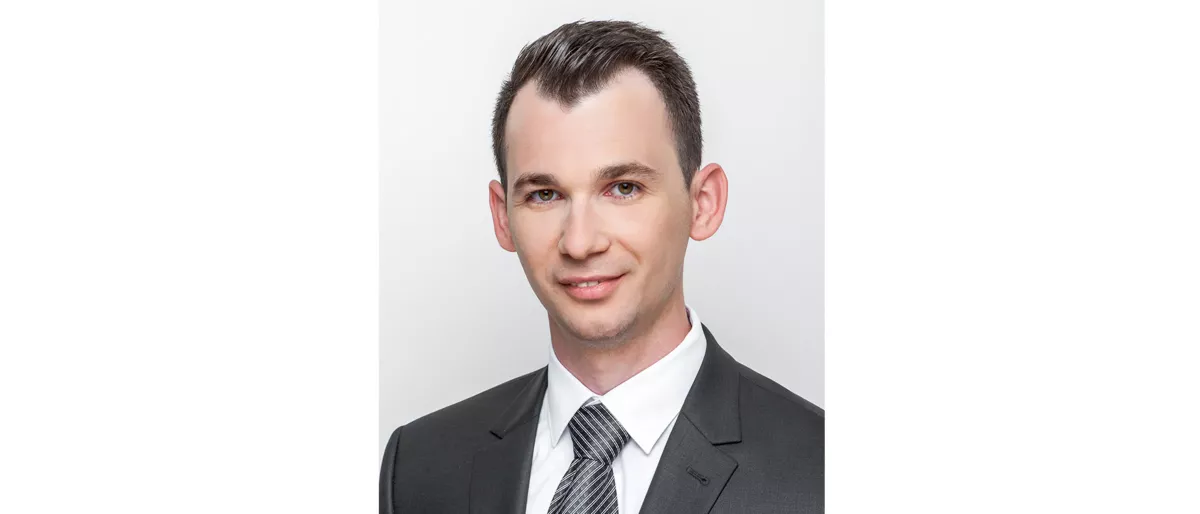
Imre Andor
SwitzerlandI am proud to be Power Grids because I get to enhance my ability through clear goal-setting and I get to enjoy a good work-life balance, enabling me to spend quality time with family as well as achieve professional growth.

Ruchika Sharma
IndiaI am proud to be Power Grids because it empowers me to turn my ideas into drivers for change towards more sustainable and efficient solutions.
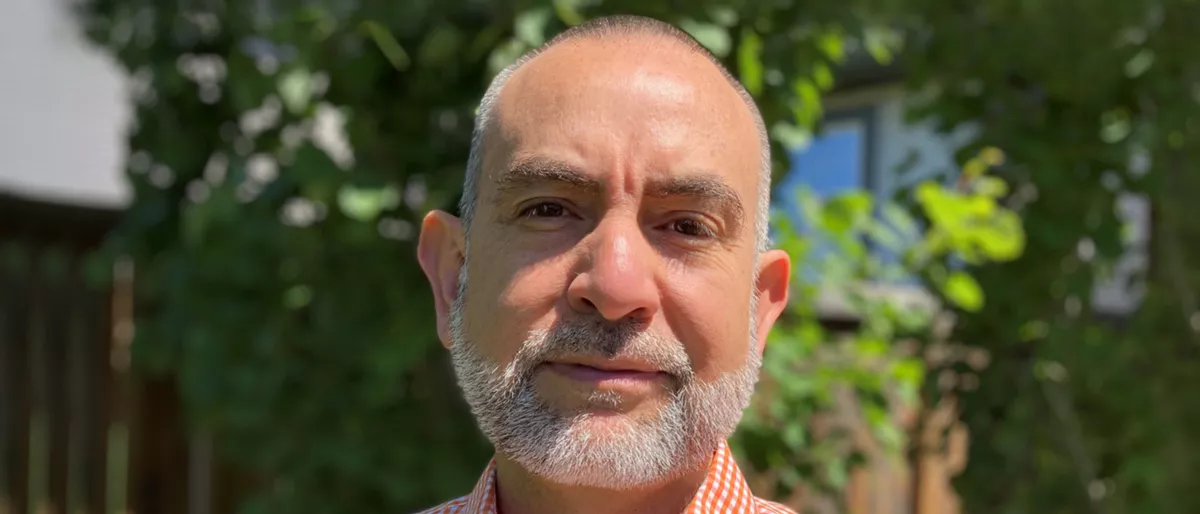
Omar Osorio
CanadaI am proud to be Power Grids because we are qualifying suppliers that are environmentally conscious and with goals towards contributing to sustainable development.
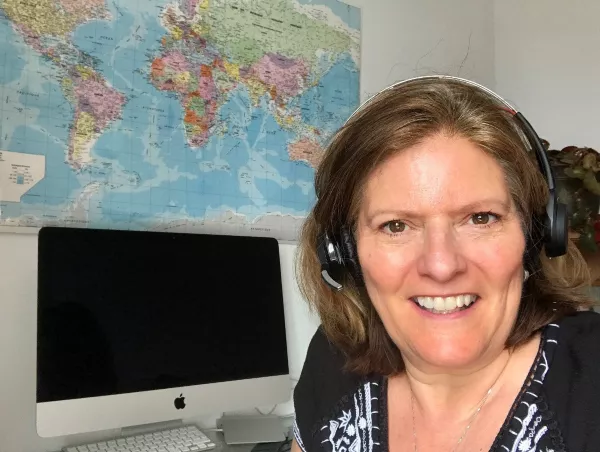
Suzanne Pelletier
CanadaI am proud to be Power Grids because customers trust us as their reliable partner of choice.
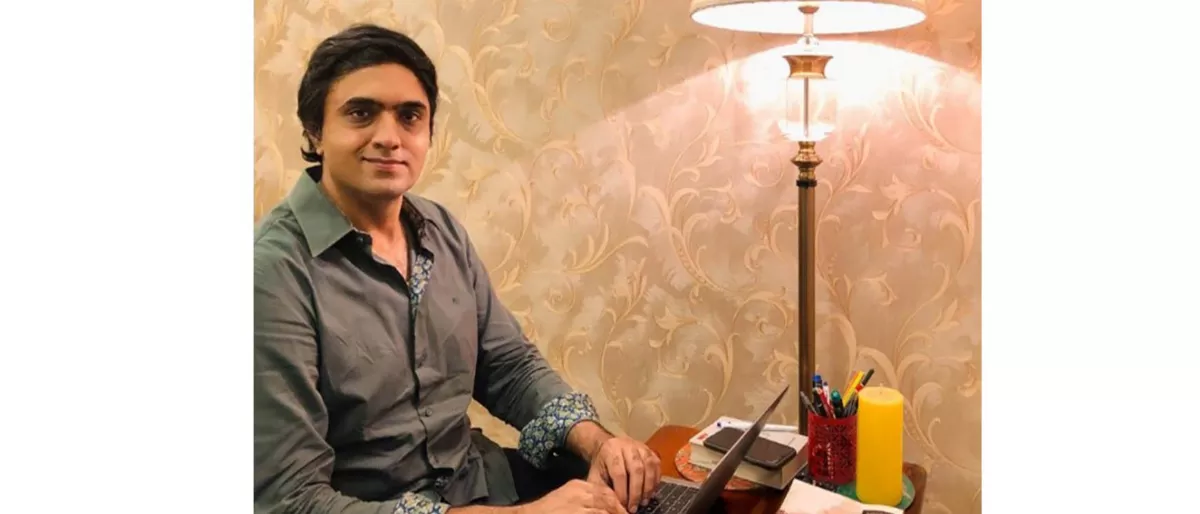
Muhammad Hassan Ejaz
PakistanI am very proud to be Power Grids, because I feel that I work for an important global company that is actively changing the world.
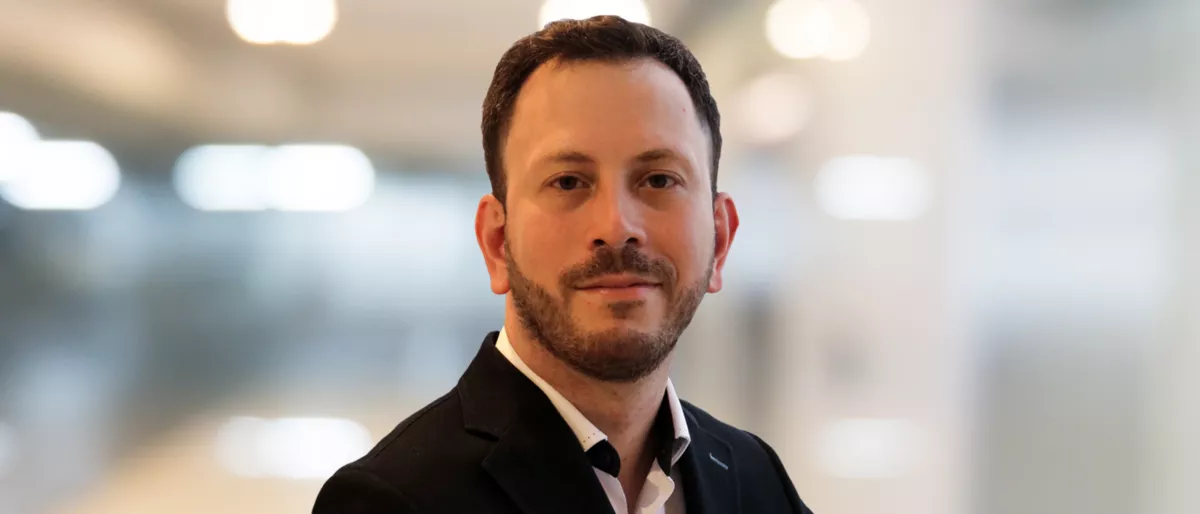
Bruno Frangelli
ColombiaWhy Work With Us
Work With Purpose
We bring energy to our homes, workplaces, hospitals, and schools. What we deliver is used globally by more than three-quarters of the world’s population. What we do is always evolving. We do more than keep the lights on, our purpose is to inspire sustainable progress.
Think Big
Our work has massive scale. We build sustainable energy solutions that span cities, countries, and continents. We transfer the power of the world’s largest wind farms, bring energy to mass transportation systems, and protect our biggest cities from blackouts. We solve seemingly impossible engineering problems, pushing boundaries, breaking records, and never giving up. Our work doesn’t stop as we strive to meet the challenges of today and the demands of tomorrow.
Diversity + Collaboration = Great Innovation
Today’s challenges are bigger than one company, one team, and one individual. We recognize that true innovation comes through collaboration with diverse colleagues. This is essential to shape our future through active collaboration delivering great innovation.
Energize Your Career
We’ll support, encourage and guide you to reach your career goals through our commitment to lifelong learning. You’ll be part of a global team who will stretch you, give you responsibility, and encourage you to make decisions. Bring your passion, your drive, and plug into a team that will energize your career while advancing a sustainable energy future for all.
Frequently Asked Questions
Necessitatibus eius consequatur ex aliquid fuga eum quidem sint consectetur velit
1 What is alternating current (AC)?
Alternating current is a form of electricity in which the current alternates in direction (and the voltage alternates in polarity) at a frequency defined by the generator (usually between 50 and 60 times per second, ie, 50 - 60 hertz).
AC was adopted for power transmission in the early days of electricity supply because it had two major advantages over direct current (DC): its voltage could be stepped up or down according to need using transformers and it could be interrupted more easily than DC.
2 What is direct current (DC)?
This is electrical current that does not alternate (see alternating current), the electrons flow through the circuit in one direction.
As a result, DC does not generate reactive power (see Reactive Power). This means that, in a DC system, only real (or active) power is transmitted, making better use of the system’s capacity. The transmission of DC current has very low losses.
3 What is reactive power?
It is a concept that describes the loss of power in a system resulting from the production of electric and magnetic fields in it.
4 What is the DC grid?
Today’s electrical transmission systems are almost exclusively based on alternating current (AC), but the development of high-voltage direct current (HVDC) technology has made it possible to build a DC grid that can handle bulk power flows over long distances. Power from such DC grids can be fed into the AC networks as needed.
5 What is high-voltage direct current (HVDC)?
A technology developed by Hitachi Energy in the 1950s to move large amounts of power over substantial distances - typically by overhead transmission lines, but also by way of submarine cables. Another important aspect of HVDC lines is that they can never be overloaded. Because HVDC transmits only active (real) power, no line capacity is wasted on transmitting reactive power. This means that the same power can be transmitted over fewer (or smaller) transmission lines than would be required using AC, and less land is needed to accommodate the lines. HVDC induces minimal magnetic fields, so the power lines may be built safely closer to human habitation.
6 What is HVDC Light?
An adaptation of classic HVDC, developed by Hitachi Energy in the 1990s. It can be used to transmit electricity in lower power ranges (tens of megawatts) to an upper range of 1,100 megawatt (MW) (±320 kilovolts).HVDC Light offers the same benefits as traditional HVDC systems, but also provides more secure power control (superior to classic HVDC) and quick power restoration in the event of a blackout. It is the only technology available that allows long-distance underground high-voltage transmission.
1 What is a thyristor?
A thyristor is a semiconductor device used in HVDC installations, as a high-speed, high-power switch, capable of turning power supplies of many megawatts on within a split second. Thyristors are a component used in inverters and rectifiers. (See also Inverter and Rectifier).
2 What is a semiconductor?
A semiconductor is a material whose electrical properties can be significantly influenced by physical factors (mostly electrical conditions, but also pressure, temperature, light, etc). This means that a semiconductor will behave either as an insulator or a conductor of electricity, depending on the conditions to which it is exposed.
3 What is an inverter?
An electrical device for converting direct current (DC) into alternating current (AC).
4 What is a rectifier?
An electrical device used to convert alternating current (AC) into direct current (DC).
1 What is converter station?
Special equipment is needed to convert electricity from alternating current (AC) to direct current (DC), or vice versa. HVDC converter stations use power electronic devices called thyristors to make these conversions.
2 What is a circuit breaker?
In hac habitasse platea dictumst vestibulum rhoncus est pellentesque. Dictumst vestibulum rhoncus est pellentesque elit ullamcorper. Non diam phasellus vestibulum lorem sed. Platea dictumst quisque sagittis purus sit.
3 What is switchgear?
Equipment used to control, protect, and regulate the flow of electrical power in a transmission or distribution network. It is often located in substations, but can be associated with any electrical equipment that might need to be isolated for fault correction (eg, if a voltage drop occurred in one part of the grid, it might be necessary to shut off the affected section to prevent the fault spreading), or for maintenance purposes. The main components of switchgear are circuit breakers, which interrupt high-voltage current to protect electrical equipment from excessive current.
4 What is meant by transmission and distribution (T&D)?
Transmission is the movement of power at high voltage (above ca. 50 kV), usually over long distances. Raising the voltage allows power to be transmitted more efficiently, ie, with lower losses. Distribution is the transport of electricity at medium voltage (between ca. 1 and 50 kV) over shorter distances to industrial, commercial and residential areas.
Hitachi Energy achieves platinum rating from EcoVadis
Our platinum award is further independent endorsement that confirms sustainability is embedded with the organization’s DNA and of our sustainability strategy which was refreshed for the start of the 2024 fiscal year,” said Alicia Argüello, Hitachi Energy’s Head of Sustainability.
Meet our Executive Team
Hitachi Energy's Executive Team is our top management body that has day-to-day responsibilities for key aspects of our company's operations. The Executive Team normally meets once a month to discuss matters such as financial performance, major development projects, competence development, succession planning, along with other strategic business priorities, such as sustainability and diversity & inclusion. The Executive Team is committed to serving the interests of the business and achieving sustainable growth in company value.
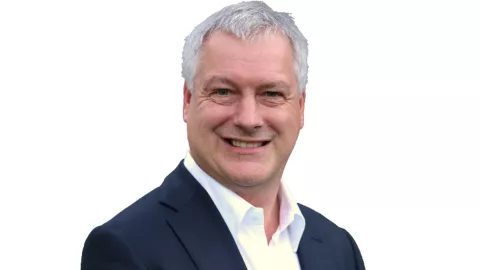
Andreas Schierenbeck
Chief Executive Officer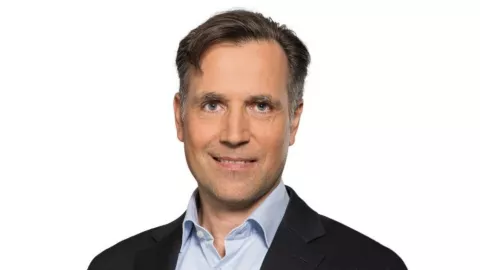
Achim Braun
Chief Human Resources Officer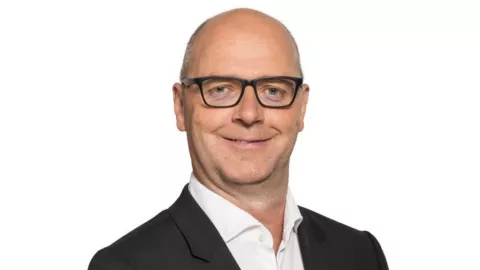
Urs Dogwiler
Chief Transformation Officer and Global Head of Supply Chain Management, Quality, Operations, HSE and Common Shared Services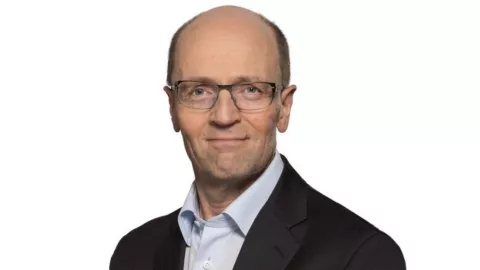
Ismo Haka
Chief Financial Officer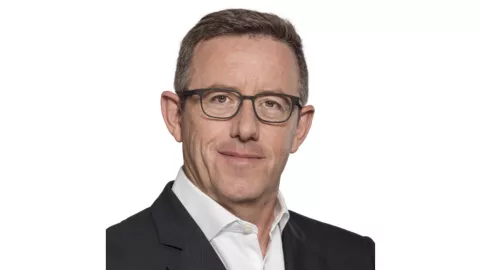
Andrew Law
Chief Legal and Integrity Officer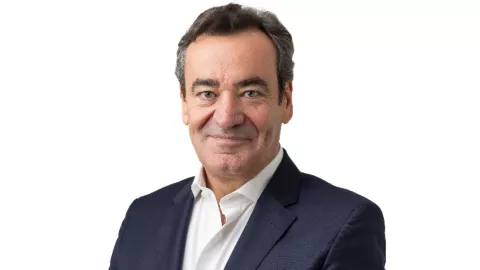
Luis Ramos
Chief Communications & Government Relations Officer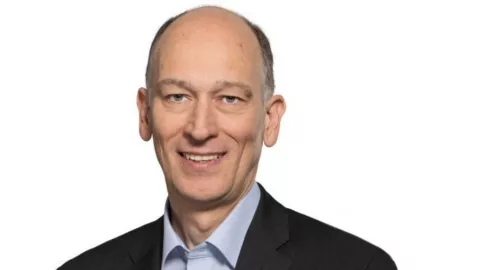
Gerhard Salge
Chief Technology Officer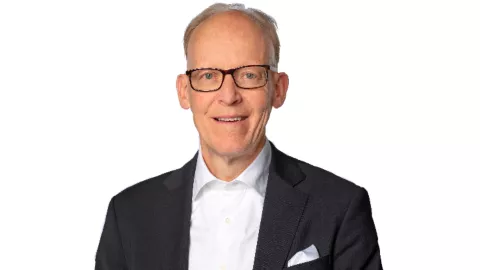
Johan Söderström
Executive Advisor to the CEO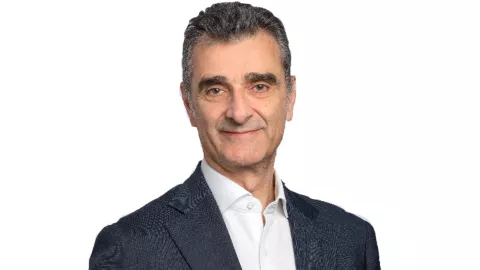
Massimo Danieli
Managing Director, BU Grid Automation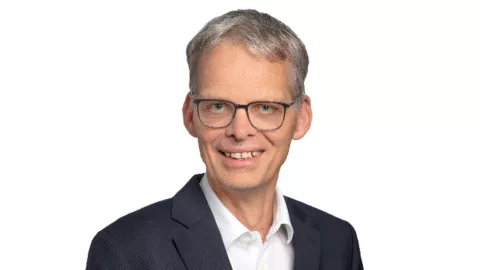
Markus Heimbach
Managing Director, BU High Voltage Products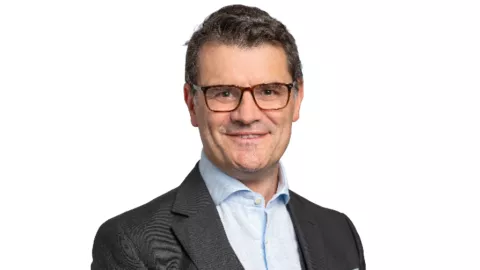
Bruno Melles
Managing Director, BU Transformers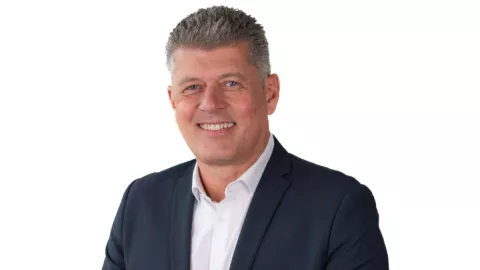
Wolf Müller
Managing Director, BU Service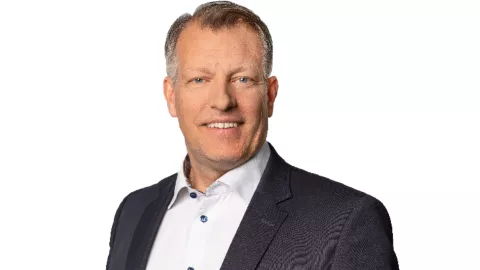
Niklas Persson
Managing Director, BU Grid Integration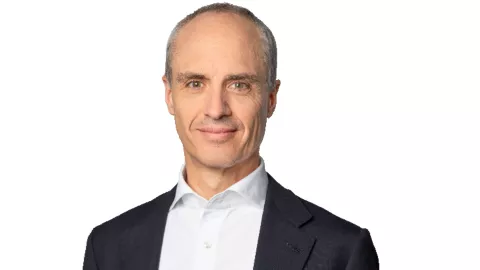
Anthony Allard
Managing Director United States Region Head North America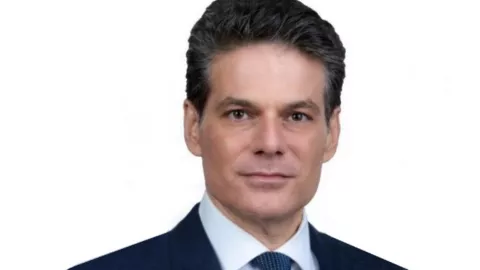
Noaman Amjad
Chief Marketing and Sales Officer Region Head Japan, South America, and South Korea Region Head Middle East & Africa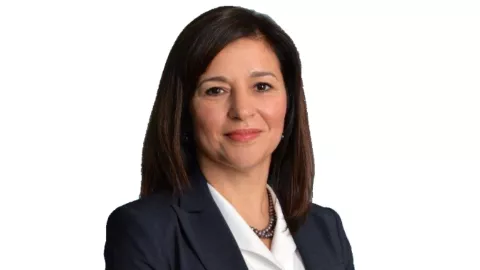
Maxine Ghavi
Region Head Europe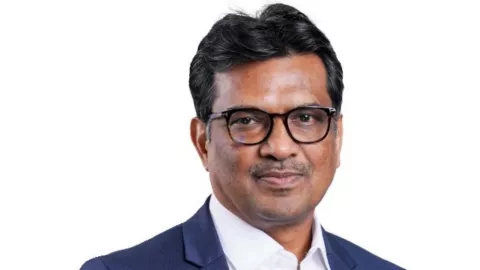
Venu Nuguri
Managing Director and CEO India Region Head South Asia